In This Guide
Why Choose a Wildlife Safari in India?
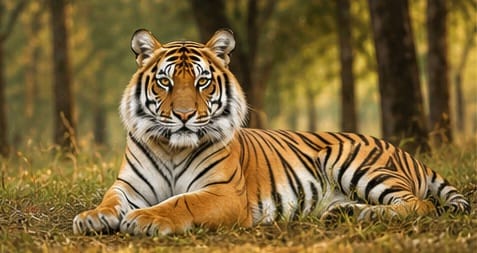
India offers far more than historic cities and monuments. Its national parks protect forests, grasslands, wetlands and an extraordinary variety of wildlife, including Bengal tigers, elephants, one-horned rhinoceroses, leopards and hundreds of bird species.
Adding a wildlife safari to a private India journey creates a completely different experience and works particularly well alongside Rajasthan, the Golden Triangle or the Himalayas.
Which Wildlife Park Is Best for First-Time Visitors?
For a first safari in India, Ranthambore, Jim Corbett, Bandhavgarh, Kanha and Kaziranga are among the most rewarding choices.
The right park depends on your route and what you hope to see. Ranthambore combines easily with Delhi, Agra and Jaipur, while Kaziranga is ideal for travellers exploring Northeast India. Jim Corbett works particularly well with an Uttarakhand or Himalayan journey.
Ranthambore National Park
Ranthambore in Rajasthan is one of India’s best-known tiger reserves and one of the easiest wildlife destinations to combine with a classic North India itinerary.
The landscape includes dry forests, lakes and the historic Ranthambore Fort. Along with tigers, travellers may encounter deer, crocodiles, monkeys and a wide variety of birdlife.
For visitors already travelling through Jaipur, Ranthambore is a natural extension to a Rajasthan or Golden Triangle journey.
Jim Corbett National Park
Located in Uttarakhand, Jim Corbett is India’s oldest national park and combines forests, rivers and Himalayan foothill scenery.
The park is home to Bengal tigers, elephants, deer and abundant birdlife. It is an excellent choice for travellers who want to combine wildlife with destinations such as Rishikesh, Nainital or the Kumaon Himalayas.
Bandhavgarh National Park
Bandhavgarh in Madhya Pradesh is renowned for its tiger habitat and beautiful forest landscapes.
The park is relatively compact compared with some larger reserves, making it attractive to travellers whose main interest is safari and wildlife photography.
Bandhavgarh can be combined with other Central India parks for a more dedicated wildlife journey.
Kanha National Park
Kanha is one of India’s most scenic national parks, with forests, grasslands and open meadows.
It is known for tigers as well as barasingha, deer, langurs and diverse birdlife. The landscapes themselves are a major part of the experience, making Kanha particularly appealing to travellers who enjoy nature as much as wildlife sightings.
Kaziranga National Park
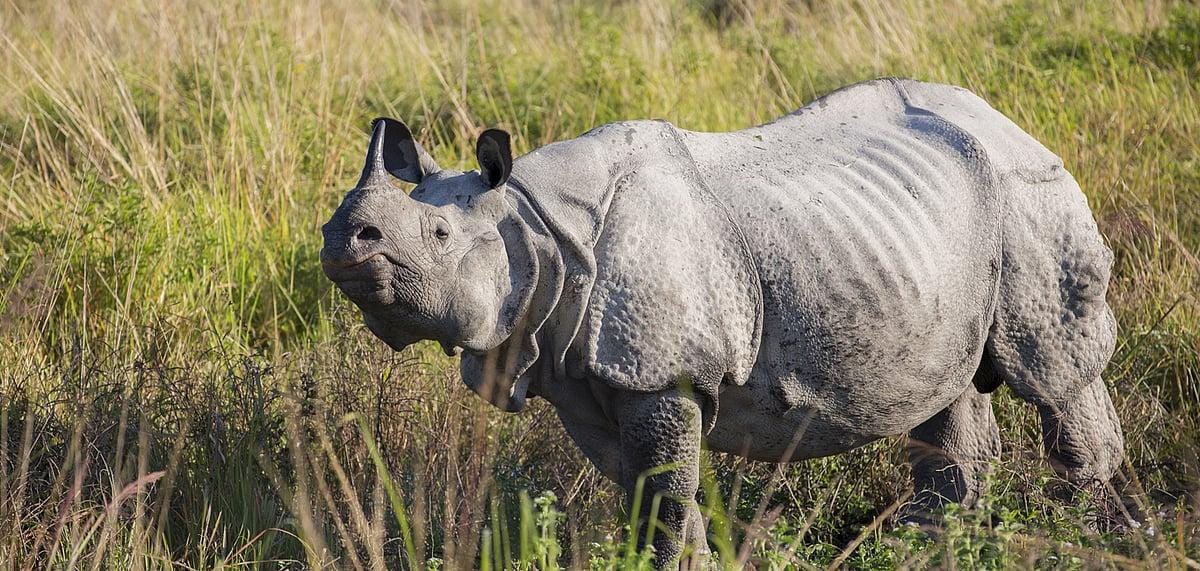
Kaziranga in Assam offers a very different wildlife experience from the tiger reserves of Central and North India.
The park is famous for the greater one-horned rhinoceros, along with elephants, wild buffalo, deer and rich birdlife.
Kaziranga works beautifully as part of a Northeast India journey combining Assam with destinations such as Shillong, Sohra and Guwahati.
What Is the Best Time for Wildlife Safaris in India?
For many parks, the main safari season runs during the cooler and drier months, generally between autumn and late spring, although exact opening periods vary by park and safari zone.
The cooler winter months offer comfortable temperatures, while the hotter months before the monsoon can sometimes provide excellent wildlife-viewing opportunities around water sources.
Safari zones, closures and seasonal schedules should always be checked when planning a specific journey.
How Many Safaris Should You Book?
For a first wildlife experience, I would usually recommend at least two or three safari drives rather than relying on a single visit.
Wildlife sightings are never guaranteed, and every safari offers a different experience. Multiple drives also give you more opportunities to explore different landscapes and observe animals at different times of day.
Can You Combine Wildlife With a Cultural Tour?
Absolutely. This is one of the best ways to experience India.
A traveller could combine the Golden Triangle with Ranthambore, explore Rajasthan before a tiger safari, or combine Jim Corbett with Rishikesh and the Himalayan foothills.
This creates a journey that balances forts, palaces and local culture with forests and wildlife.
Responsible Wildlife Travel in India
Wildlife should always be experienced with respect for the animals and their habitat.
Follow park regulations, avoid disturbing wildlife, keep noise to a minimum and never expect a safari guide to approach animals unnaturally for photographs.
The goal of a safari is not only to see a tiger, but to experience the entire landscape and understand the ecosystem that supports it.