In This Guide
When Is the Best Time to Visit India?
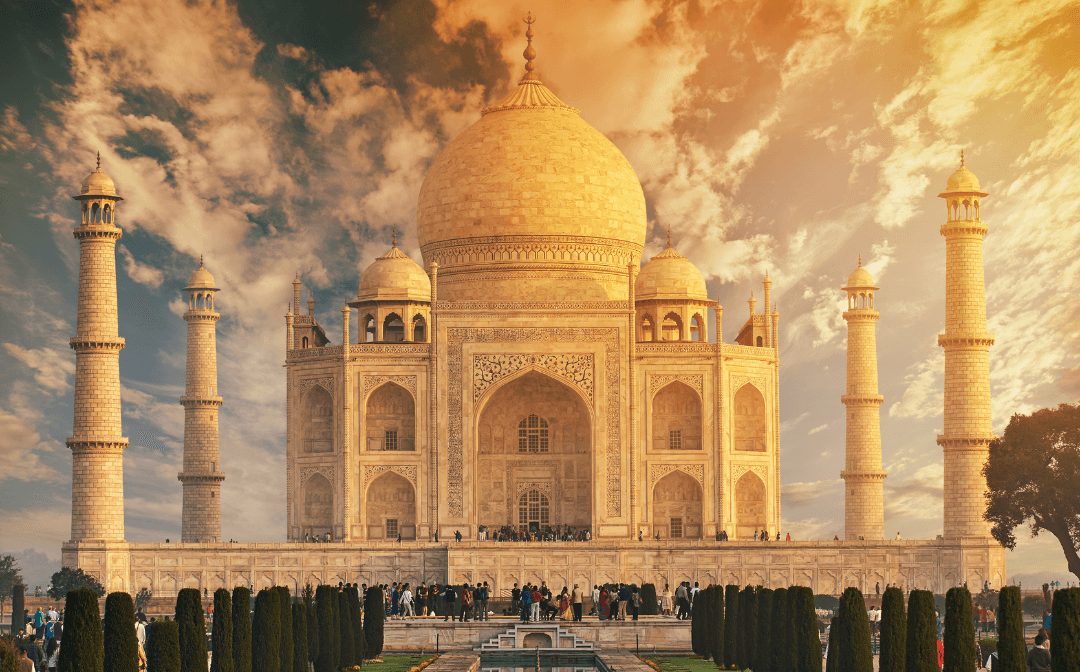
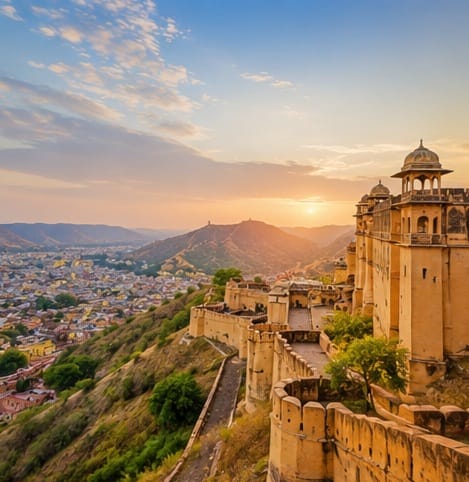
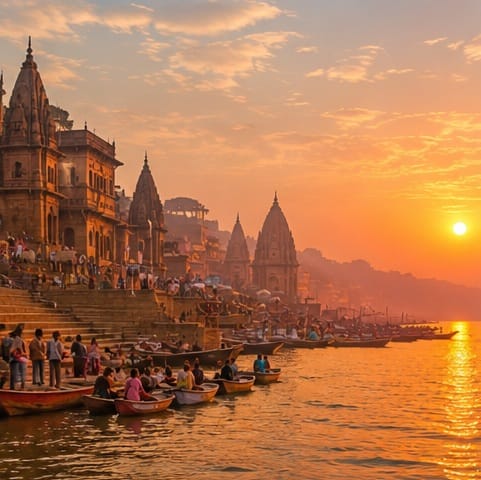
For many first-time travellers, September to March is one of the most comfortable periods to visit India. Temperatures are generally pleasant across popular destinations such as Delhi, Agra, Jaipur, Rajasthan and Varanasi, making sightseeing easier.
However, India is a vast country with very different climates. The best time for your journey depends on where you want to travel and the experiences you would like to include.
January: Cool Weather and Comfortable Sightseeing
January is an excellent month for travelling through North India, Rajasthan and many parts of South India. Days are usually comfortable, although mornings and evenings in Delhi, Agra and Rajasthan can be quite cool.
It is a good time for the Golden Triangle, Rajasthan, wildlife journeys and cultural sightseeing. Northern cities can occasionally experience fog, particularly in the early morning.
February: One of the Best Months to Visit India
February offers pleasant temperatures across many parts of India and is one of my favourite months for a first journey.
Delhi, Agra, Jaipur, Rajasthan and Varanasi are generally comfortable for sightseeing, while Kerala and South India also offer excellent travel conditions. It is a particularly good month for travellers who want to combine heritage, culture and outdoor experiences.
March: Festivals and the Beginning of Warmer Days
March can be a wonderful time to visit, particularly in the first half of the month. Temperatures begin to rise, but conditions are still comfortable across many destinations.
The colourful festival of Holi often takes place during this period, offering a unique cultural experience. Towards the end of March, North and Central India can start becoming noticeably warmer.
April: Warmer Weather and Himalayan Escapes
April brings increasing temperatures to Delhi, Rajasthan, Agra and much of Central India. Sightseeing is still possible, but early mornings and a slower daily schedule become more important.
At the same time, Himalayan destinations begin to become more attractive, making April suitable for travellers interested in places such as Himachal Pradesh and Uttarakhand.
May: Hot Weather Across Much of India
May is one of the hottest months in many parts of North and Central India. Delhi, Agra, Jaipur and Rajasthan can experience very high daytime temperatures.
Travellers visiting during May may prefer hill stations, Himalayan regions or itineraries with a more relaxed pace. Early morning sightseeing and well-planned private transport can make travel more comfortable.
June: Monsoon Begins in Many Regions
June marks the beginning of the monsoon season in many parts of India, although the timing varies by region.
Kerala and the west coast often receive rain earlier, while northern regions may remain hot before the monsoon arrives. Himalayan destinations can still be attractive during parts of June, depending on local weather conditions.
July and August: Green Landscapes and Monsoon Travel
July and August are monsoon months across much of India. Rainfall can be heavy in some areas, while other destinations experience shorter showers between periods of sunshine.
The countryside becomes beautifully green, and there are often fewer tourists at popular monuments. However, travellers should allow flexibility because rain can occasionally affect road journeys and outdoor activities.
September: The Transition Towards the Main Travel Season
September is a transition month. Monsoon conditions begin to ease in many regions, landscapes remain green and visitor numbers are often lower than during the peak winter season.
Towards the end of the month, conditions become increasingly suitable for cultural and heritage journeys across North India.
October: The Main Travel Season Begins
October is one of the best months for exploring India. The monsoon has usually withdrawn from much of the country, temperatures become more comfortable and the main sightseeing season begins.
It is an excellent period for the Golden Triangle, Rajasthan, Varanasi, wildlife journeys and many cultural routes.
October and November are also important festival months in many years, with celebrations such as Diwali bringing a special atmosphere to cities and communities across India.
November: Excellent Weather for Heritage Journeys
November offers some of the most pleasant sightseeing weather across North and Central India.
It is particularly well suited to Delhi, Agra, Jaipur, Rajasthan, Varanasi and wildlife parks. Comfortable daytime temperatures make it easier to enjoy forts, palaces, markets and walking experiences.
December: Winter Travel Across India
December is a popular month for international travellers. North India experiences cooler temperatures, particularly in the mornings and evenings, while Rajasthan often has sunny and pleasant days.
Kerala and South India are also popular at this time, making December suitable for travellers combining cultural sightseeing with warmer southern destinations.
Best Time for the Golden Triangle and Rajasthan
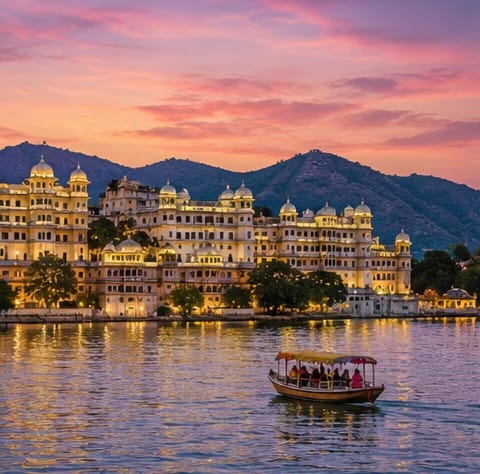
For Delhi, Agra, Jaipur and Rajasthan, I would generally recommend October to March.
November to February usually provides the coolest sightseeing conditions, while October and March can be slightly warmer but still very enjoyable.
Travellers who prefer comfortable temperatures and long days of sightseeing will usually find this period the most suitable.
Best Time for Kerala and South India
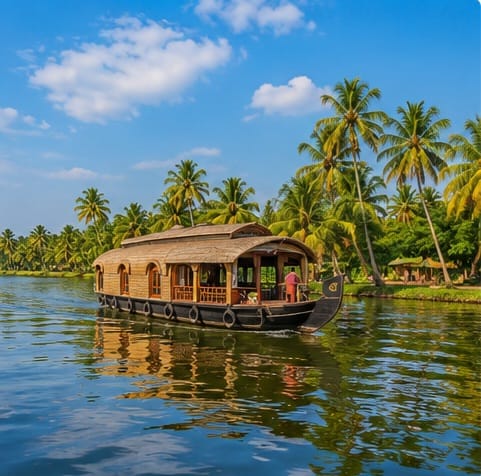
Kerala and South India can be visited throughout much of the year, but October to March is particularly popular because conditions are generally more comfortable for sightseeing, backwater journeys and coastal stays.
The monsoon months offer greener landscapes and a different atmosphere, which can also appeal to travellers seeking a quieter experience.
Best Time for Wildlife Safaris in India
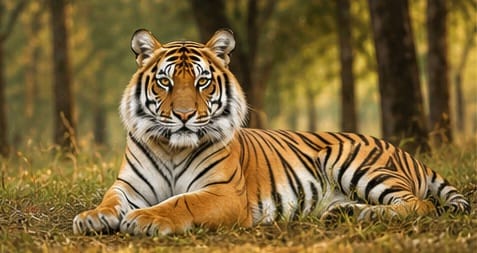
India’s wildlife season depends on the national park and the experience you want.
The cooler months from roughly October to February offer comfortable safari conditions, while the hotter months before the monsoon can sometimes provide good opportunities for wildlife sightings as animals gather around water sources.
National parks have their own seasonal opening and closing dates, so these should always be checked when planning the itinerary.
How to Choose the Best Month for Your India Journey
There is no single perfect month for every traveller.
Choose your travel dates based on the regions you want to visit, your comfort with heat or rain, festivals you would like to experience and the type of journey you prefer.
For a first visit covering classic destinations such as Delhi, Agra, Jaipur and Rajasthan, October to March is generally the easiest period to recommend. For Himalayas, Kerala, wildlife or festival-focused journeys, the ideal timing may be different.